Introduction: India’s Most Powerful Waterfall You’ve Never Heard of
If you think you have seen all that Indian waterfalls have to offer after visiting places like Jog Falls or Athirappilly, Chitrakoot Waterfall in Chhattisgarh is here to humble you. Often called the “Niagara Falls of India,” Chitrakoot is not just a waterfall—it is an experience that grips your senses and refuses to let go. Located on the Indravati River in the Bastar region of Chhattisgarh, this majestic cascade combines raw power, untouched surroundings, and deep-rooted tribal culture in a way very few destinations in India can.
Chitrakoot is still relatively unexplored compared to mainstream tourist spots, which is both its charm and its advantage. You won’t find excessive commercialization here. Instead, you’ll encounter thunderous water, misty rainbows, red laterite rocks, dense forests, and a calmness that feels almost spiritual. This blog is a detailed travel guide—covering everything from how to reach Chitrakoot, the best time to visit, places to stay, food, local culture, safety tips, and honest travel insights.
Table of Contents
Where Chitrakoot Waterfall Meets the Landscape of Bastar
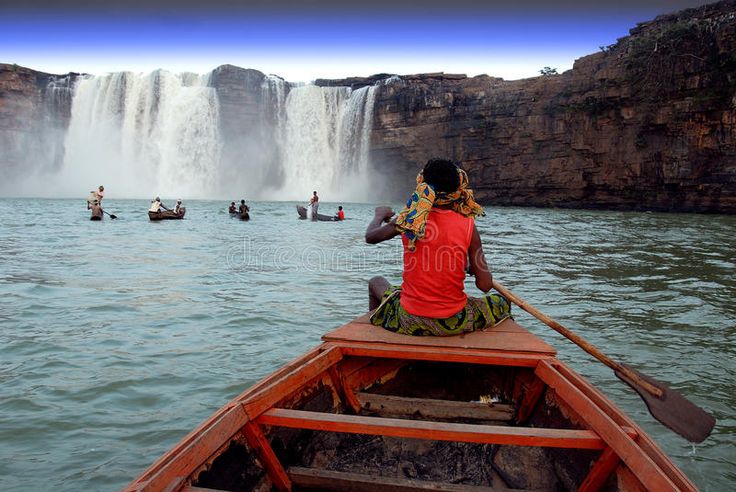
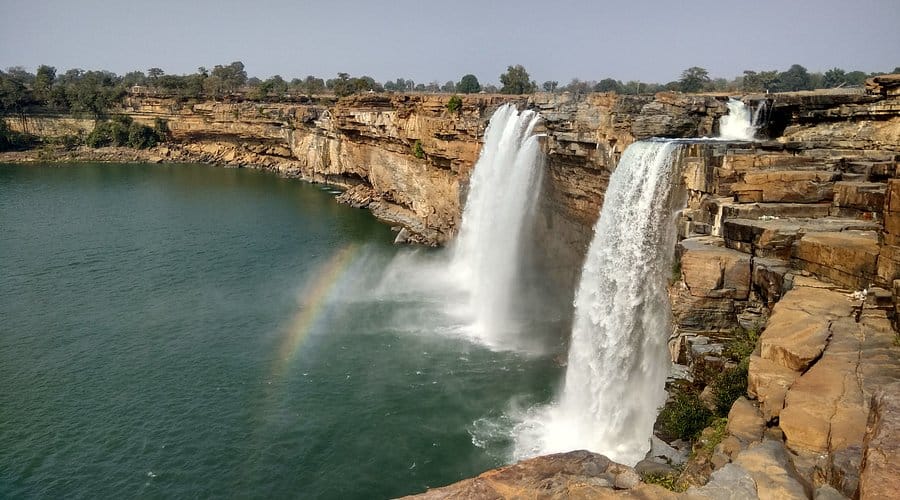
Chitrakoot Waterfall is situated near Chitrakote village, about 38–40 km from Jagdalpur, the district headquarters of Bastar, Chhattisgarh. The waterfall is formed by the Indravati River, which originates in Odisha and flows westward through dense forests before plunging dramatically over a horseshoe-shaped cliff.
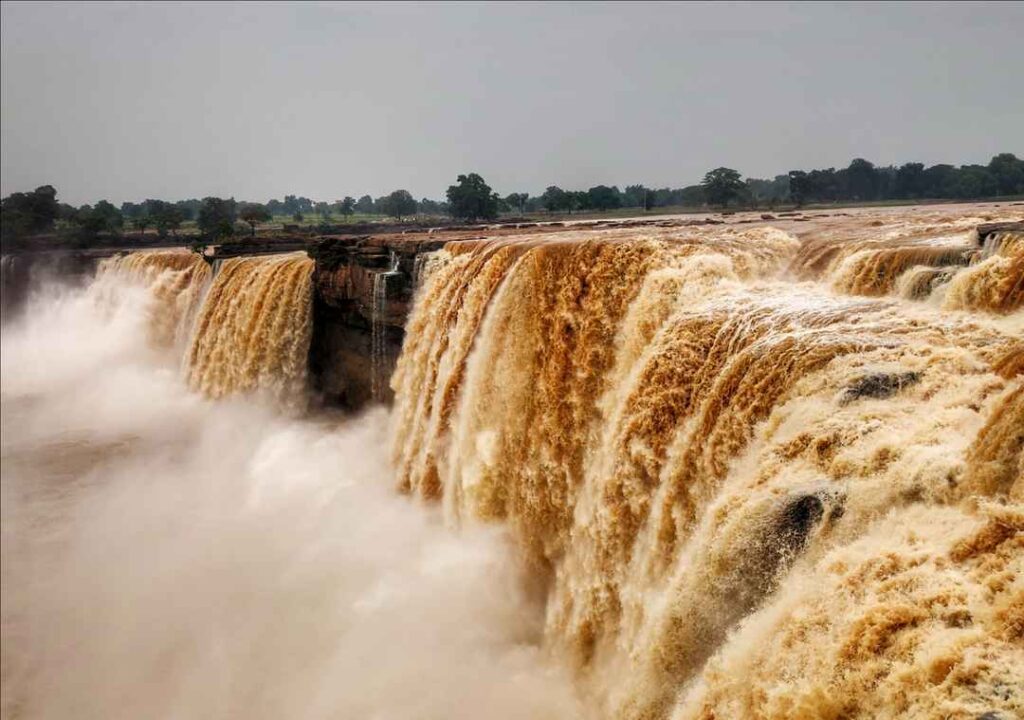
What makes Chitrakoot special is its width rather than just height. During monsoon season, the waterfall stretches up to 300 meters wide, creating a panoramic wall of water that is both intimidating and awe-inspiring.
Why Chitrakoot Is Called the Niagara Falls of India
Let’s be brutally honest: India has many waterfalls, but very few deliver the sheer scale that Chitrakoot does. During peak monsoon, the roaring Indravati River transforms into a massive, thundering sheet of water. The mist rises high into the air, the sound is deafening, and the sight is overwhelming.
Unlike tall, narrow waterfalls, Chitrakoot’s broad crescent shape gives it a visual resemblance to Niagara Falls. The comparison isn’t just poetic—it’s earned. If you visit after heavy rainfall, you’ll understand immediately why this nickname stuck.
Best Time to Visit Chitrakoot Waterfall
1. Monsoon (July to October) – Best for Grandeur
This is when Chitrakoot is at its most powerful. The water flow is massive, the surroundings are lush green, and the waterfall looks cinematic. If your goal is to witness Chitrakoot in its full glory, this is the time.
Pros:
- Maximum water flow
- Stunning views and rainbows
- Cooler weather
Cons:
- Slippery rocks
- Strong currents (no swimming)
- Occasional road disruptions
2. Winter (November to February) – Best for Comfort
The water flow reduces, but the beauty remains. The weather is pleasant, making sightseeing comfortable. Ideal for photography, relaxed travel, and exploring nearby attractions.
3. Summer (March to June) – Least Recommended
The waterfall shrinks significantly, and the heat can be harsh. Visit only if you prefer solitude and don’t mind reduced water flow.
How to Reach Chitrakoot Waterfall
By Air
The nearest airport is Swami Vivekananda Airport, Raipur, around 300 km away. From Raipur, you can take a train or hire a taxi to Jagdalpur.
By Train
Jagdalpur Railway Station is well-connected to major cities like Raipur, Visakhapatnam, and Bhubaneswar. From Jagdalpur, Chitrakoot is an easy road trip.
By Road
Jagdalpur is connected by state highways. From Jagdalpur:
- Taxis and auto-rickshaws are available
- The drive takes about 1 to 1.5 hours
Road conditions are generally good, but during monsoon, drive cautiously.
The Moment Chitrakoot Makes Its Presence Felt
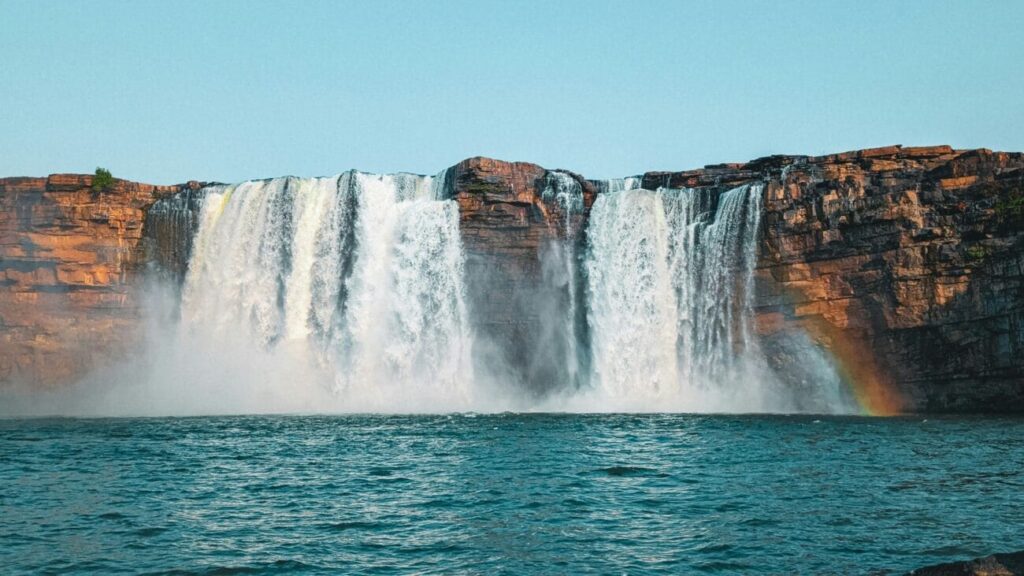
You hear Chitrakoot before you ever see it—a deep, relentless roar that grows louder with every step. As you move closer, cool mist settles on your skin, the air thickens, and suddenly the waterfall reveals itself in full force. The ground seems to vibrate, and for a moment, everything else fades away.
Chitrakoot doesn’t feel designed for visitors. It feels raw, ancient, and indifferent to your presence. This isn’t a place you casually admire—it’s a place that demands respect.
Viewpoints and Experiences at Chitrakoot
Upper Viewpoint
From the top, you get a wide-angle view of the river just before it plunges down. During monsoon, watching the Indravati swell and rush forward is hypnotic.
Lower Viewpoint
The lower area lets you get closer to the base of the waterfall. The mist here is intense, and rainbows often appear when sunlight hits the spray.
Boat Ride (Seasonal)
During low water levels, local boatmen offer rides near the base. This is strictly seasonal and depends on safety conditions. Never insist if locals advise against it.
Beyond the Falls: Life in Bastar’s Tribal Heartland

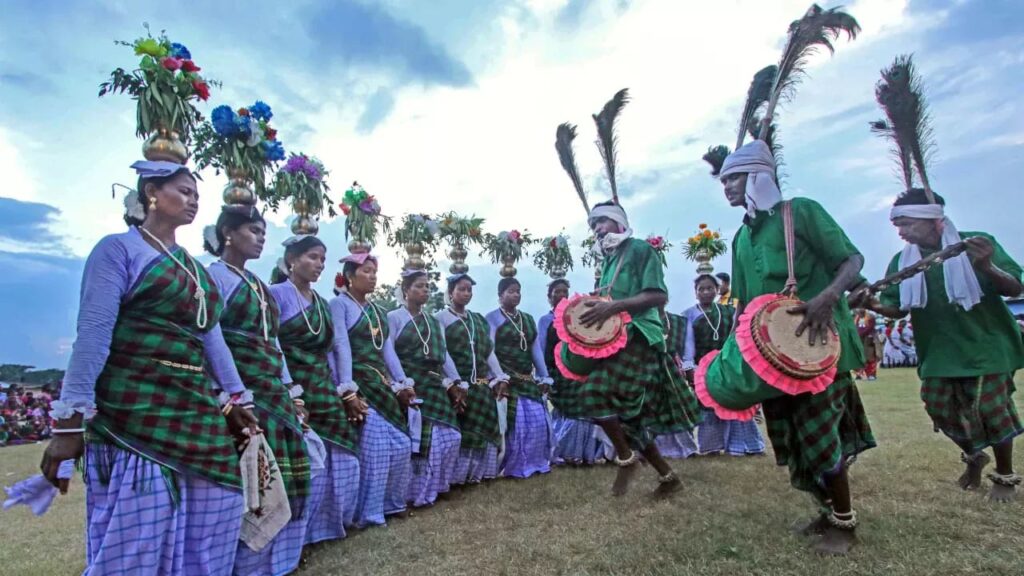
Bastar is known for its rich tribal heritage, including tribes like the Gond, Maria, and Muria. Their lifestyle, art, and traditions are deeply connected to nature.
If you spend time in nearby villages, you’ll notice:
- Simple mud houses
- Weekly local markets (haats)
- Handcrafted metal and wooden art
- A slower, grounded way of life
Be respectful. Avoid intrusive photography and always ask for permission.
Food and Local Cuisine to Try
Food options near Chitrakoot are basic but authentic. Expect simple, hearty meals.


Must-Try Local Dishes:
- Chila (rice flour pancake)
- Aamat (tribal mixed vegetable curry)
- Bore Baasi (rice soaked in water, eaten with chutney)
- Mahua-based items (seasonal)
Jagdalpur has better restaurants if you want more variety.
Accommodation Options
Staying Near Chitrakoot
- Government tourism guest houses
- Budget lodges
Facilities are basic but clean.
Staying in Jagdalpur (Recommended)
Jagdalpur offers:
- Mid-range hotels
- Better food options
- Easy access to multiple attractions
A day trip to Chitrakoot from Jagdalpur works perfectly.
Nearby Attractions You Shouldn’t Miss
Tirathgarh Waterfall
Another stunning waterfall nearby, known for its step-like structure.
Kanger Valley National Park
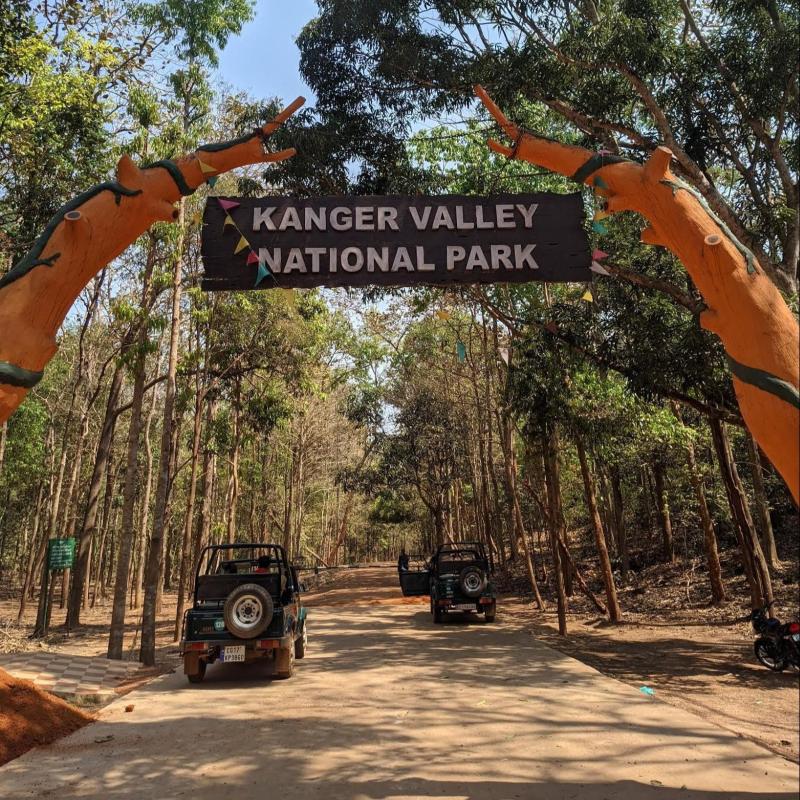
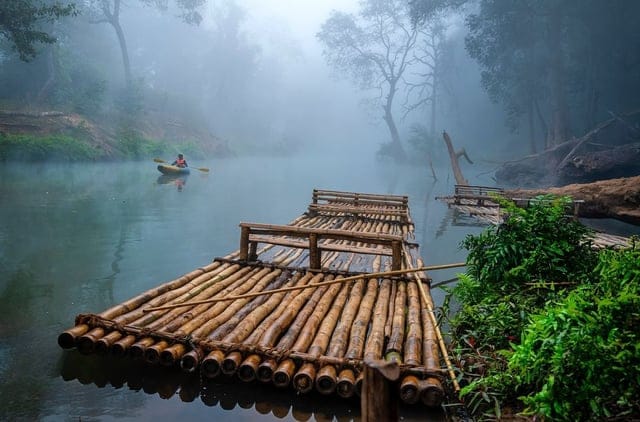
Dense forests, limestone caves, and rich biodiversity.
Kutumsar and Kailash Caves
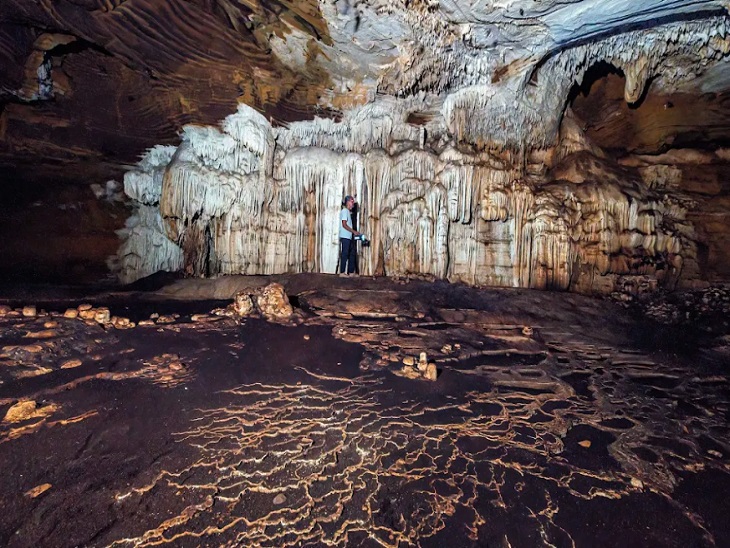
Natural limestone caves with impressive formations.
Bastar Dussehra (Seasonal)
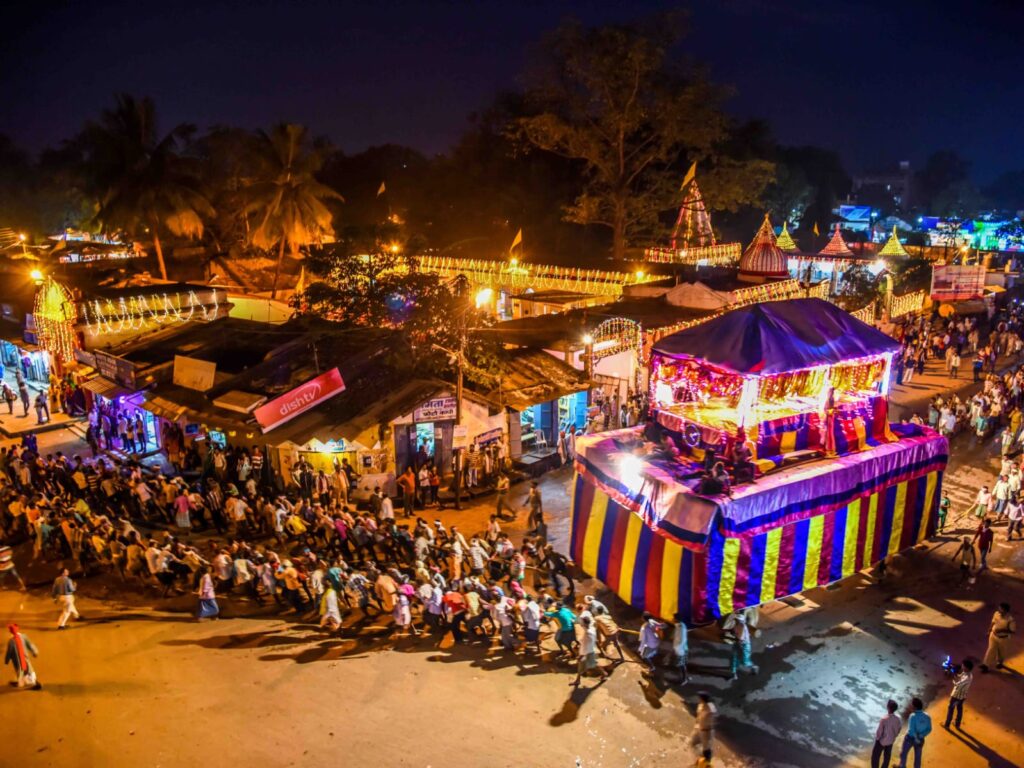
If you visit during this time, you’ll witness one of India’s most unique cultural festivals.
Safety Tips and Honest Travel Advice
Let’s be clear—Chitrakoot is powerful and unpredictable.
- Do not enter restricted zones
- Avoid slippery rocks
- Follow local instructions strictly
- Travel during daylight
- Respect wildlife and environment
This is not a place to show off on Instagram by risking your life.
Photography Tips
- Carry rain protection for your camera
- Early morning and late afternoon offer the best light
- Wide-angle lenses work best
- Capture both scale and details
Responsible Travel: Your Role
Chitrakoot is still pristine because mass tourism hasn’t destroyed it—yet.
- Don’t litter
- Avoid plastic
- Support local businesses
- Respect tribal customs
Travel here as a guest, not a conqueror.
A Place That Changes the Way You See Travel
Chitrakoot Waterfall is not for travelers looking for luxury resorts or nightlife. It is for those who crave raw nature, silence broken only by roaring water, and places that feel real rather than staged.
If you want a destination that leaves you awestruck, grounded, and slightly changed, Chitrakoot delivers. It’s not just a waterfall—it’s a reminder of how powerful nature truly is.
Once you stand there, feeling the mist on your skin and the earth trembling beneath your feet, you’ll know—some places don’t need hype. They speak for themselves.
If you’re planning a trip to Chhattisgarh, don’t just pass through Bastar. Stay, explore, and let Chitrakoot Waterfall show you a side of India most people never see.